The Top Fanny Packs For Hiking, Biking, and Running Around Town
September 16th, 2026, updated with a new winner for best lightweight, best ultralight, and best waterproof with a year's worth of testing notes to confirm rankings, updated pricing and commentary on value
Home > Gear Reviews > Hiking
Love 'em or loathe 'em, fanny packs are one of the most practical ways to carry essentials on the trail. They keep your phone, snacks, sunscreen, and other small items within reach without the heat and bulk of a full daypack. Smaller models work well for short hikes and everyday use, while larger waist and lumbar packs can carry water, layers, and enough gear for longer outings.
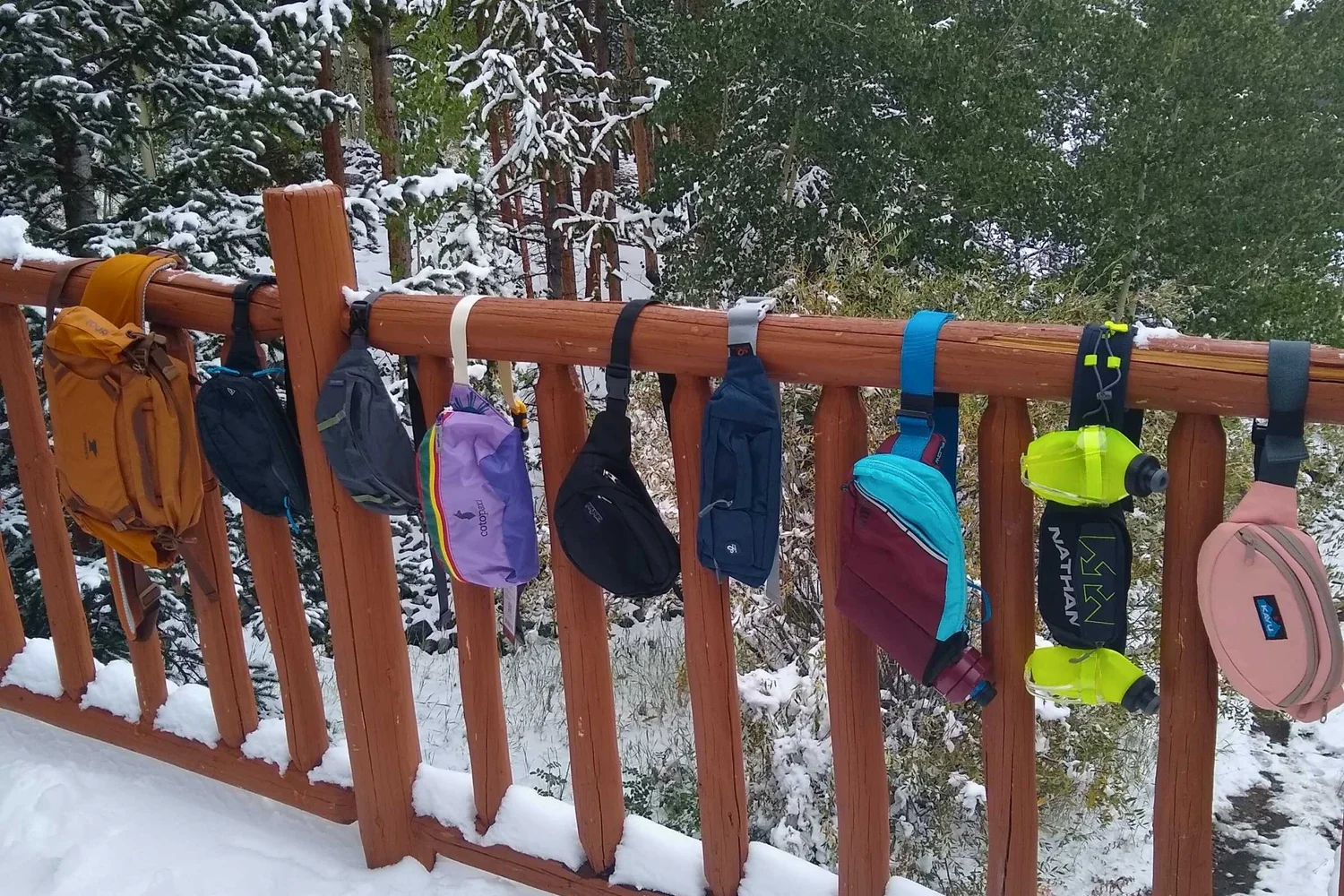
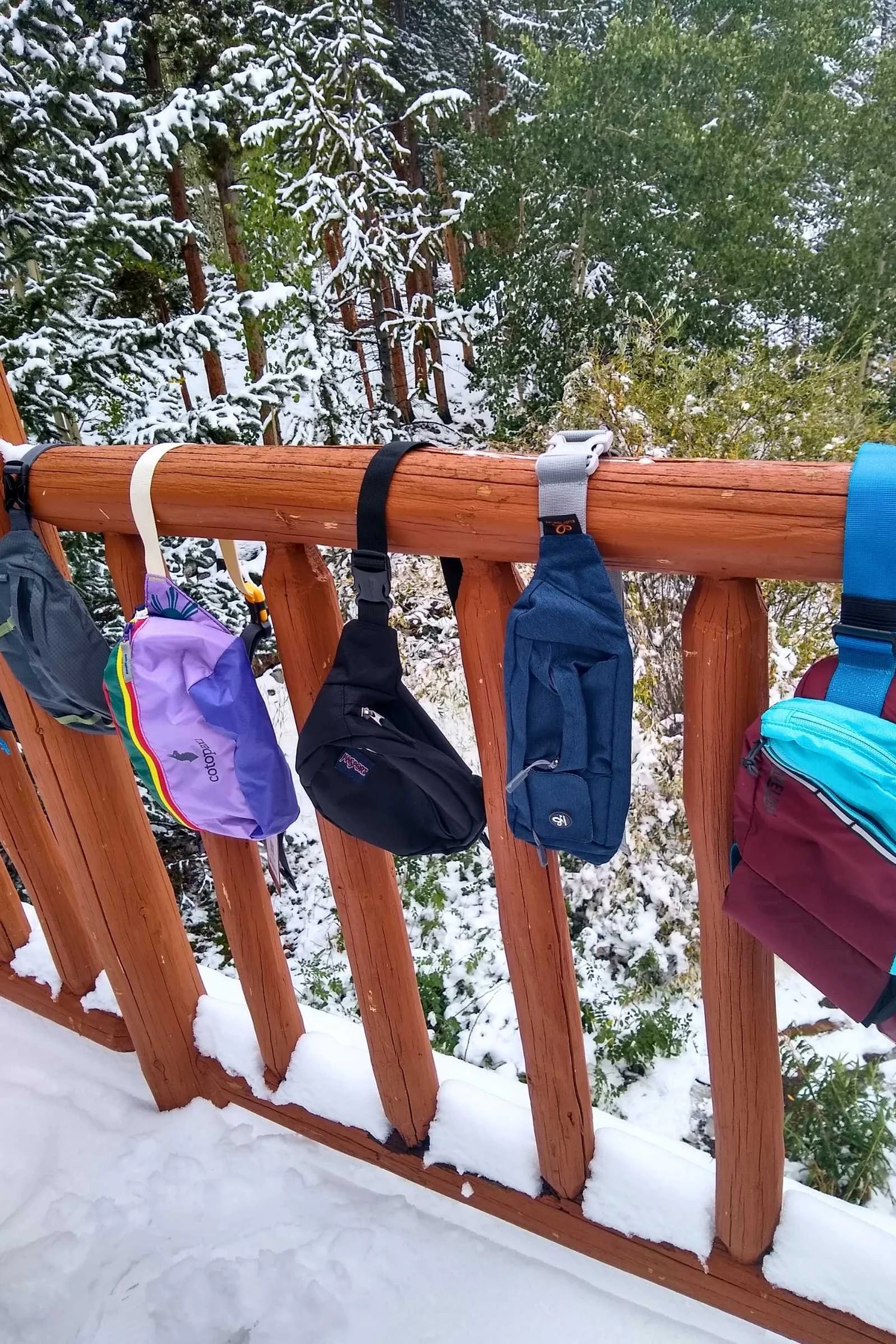
I'm a Denver-based writer who hikes weekly, and I researched the most talked-about fanny packs, waist packs, and lumbar packs before testing the most promising models. Our testers used them on mountain hikes, bike rides, road trips, fly-fishing outings, festivals, international travel, and a 60-mile urban thru-hike through Ventura, California.
Together, we evaluated capacity, waist-belt fit, bounce, comfort, pocket organization, access while moving, durability, and how well each pack handled sweat, dirt, and repeated use. We also considered whether each model was best suited to short hikes, long-distance trails, carrying water, running, or everyday use.
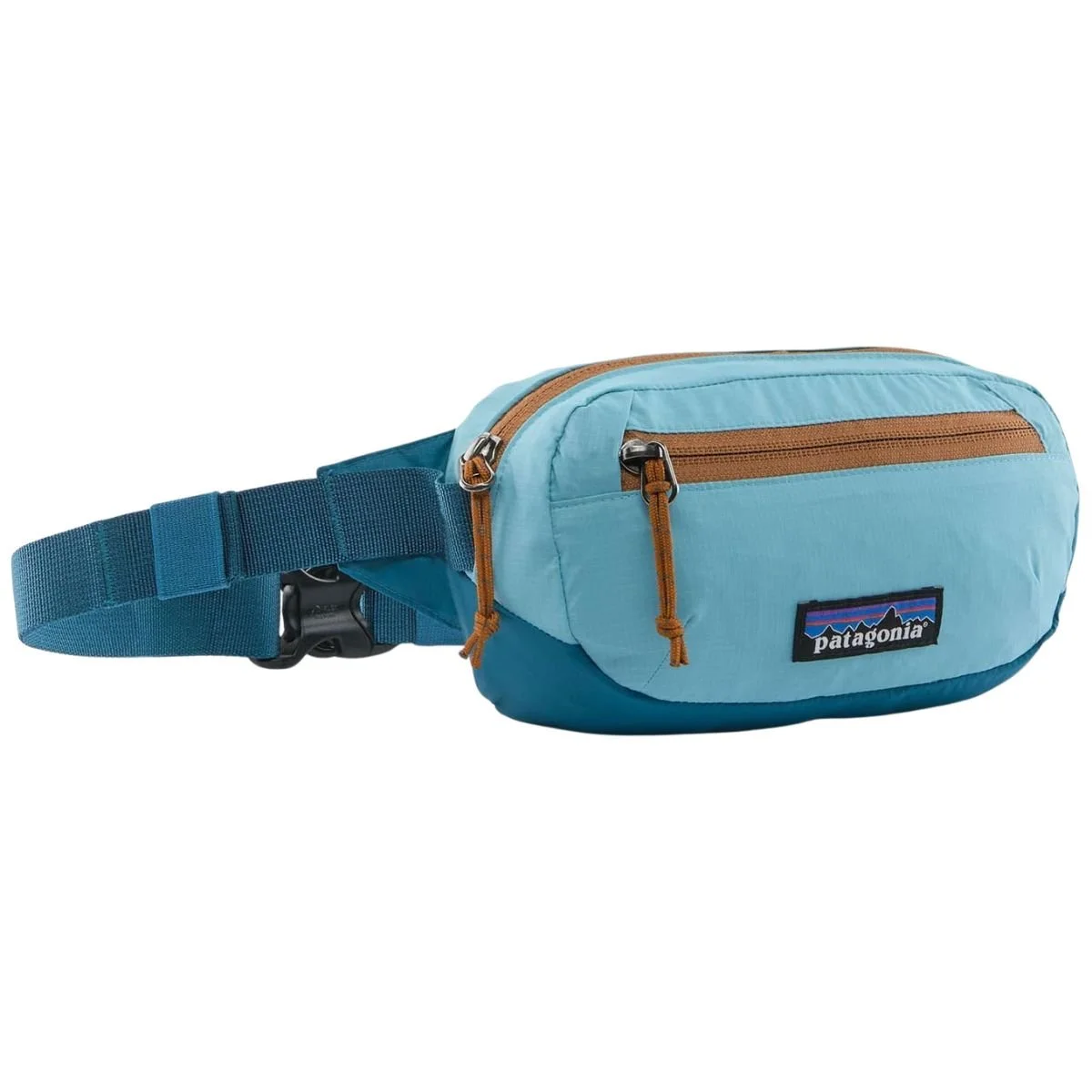
Top Pick: The Patagonia Terravia Mini Hip Pack earns our Best Overall award. It stood out for its low weight, secure and comfortable fit, useful organization, and versatility as a waist pack, sling, or compact travel bag. Its 1-liter capacity holds a phone, sunscreen, headlamp, snacks, and keys without feeling bulky, making it a practical choice for short hikes and everyday outings.
Read more: Best Running Belts
Related: Best Mountain Bike Hip Packs
We create reader-supported, objective gear reviews independently selected by our editors. This story may contain affiliate links, which help fund our website. When you click on the links to purchase gear, we may get a commission, without costing you an extra cent. Thank you for supporting our work and mission of outdoor coverage for every body! Learn more.
Comparison Table
The Best Hiking Fanny Packs
Best Overall Fanny Pack: Patagonia Terravia Mini Hip Pack
Price: $39
Volume: 1 L, 5L available
Weight: 3.9 oz
Dimensions: 8 x 4.5 x 2
What we liked: versatile, bluesign certified, recycled material, perfect size, stylish
What we didn't like: not bottle compatible, waist strap could be longer
If you’re looking for a hands-free way to carry the bare necessities (excluding hydration), the Patagonia Terravia Mini Hip Pack is the best fanny pack for you—and the best fanny pack for most hikers, dog walkers, casual cyclists, and everyday use.
What makes it great for hiking is that it's lightweight and stores in its own pocket when not in use, yet is durable and has great pockets to organize hiking essentials. It can also be worn multiple ways: as a fanny pack, sling pack, or by its carabiner hooked to a belt loop.
Whether walking the dog or carrying basic hiking gear for easy access, this Terravia sits comfortably on your waist and looks great in many fun colors.
In the 1L volume, we were able to fit a phone, sunscreen and lip balm, sunglasses, a headlamp, a snack, electrolytes, a thin liner glove, a wallet, and keys (it has a handy key ring so you won't accidentally lose your keys when pulling something out mid-hike).
It's become our go-to bag for dog walking and can fit doggie bags, a ball, treats along with human gear like a phone, wallet, and keys. It's got a touch of style and you have your choice of 8 color combinations, including solid blue or black.
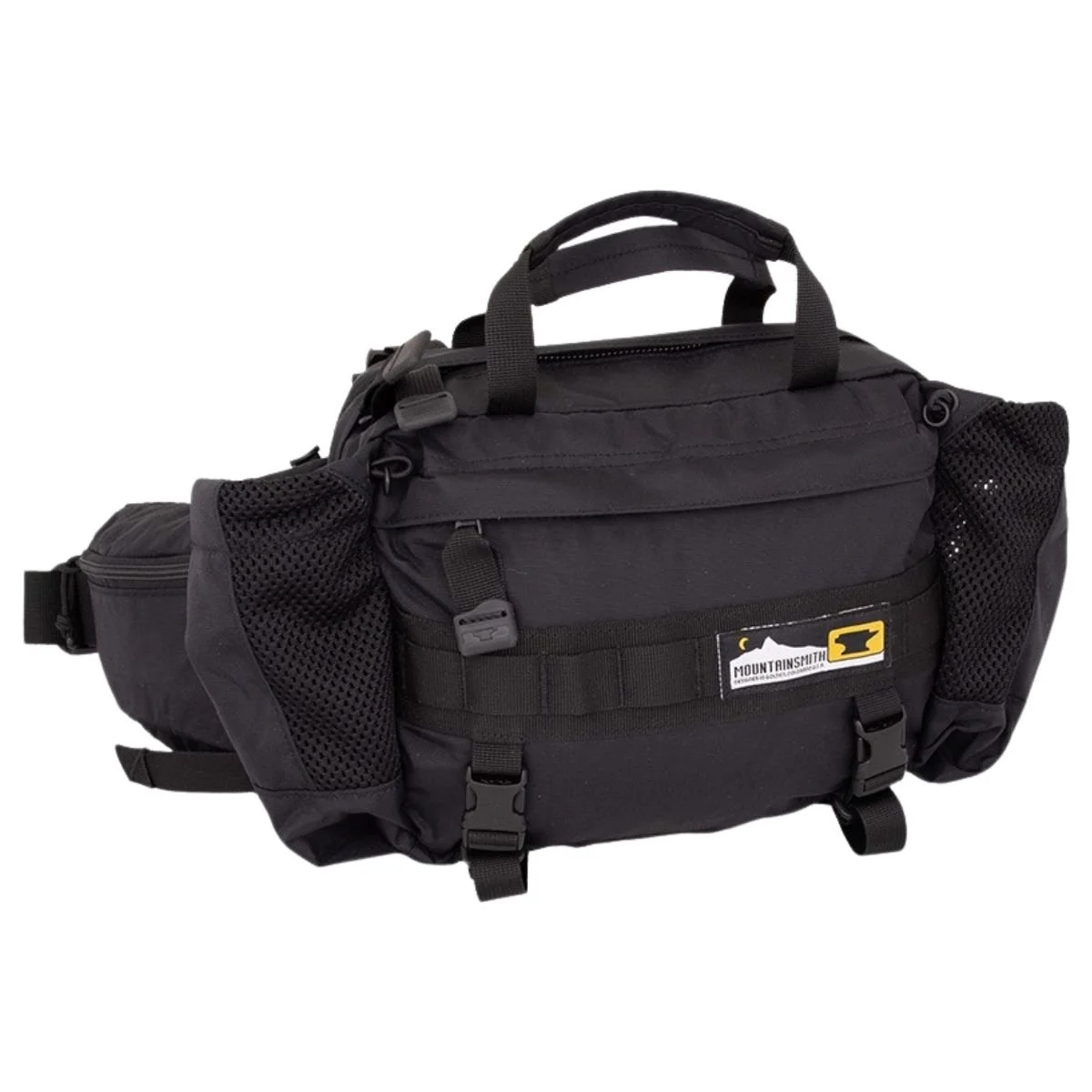
Best High Volume Lumbar Pack: Mountainsmith Tour Lumbar Pack
Price: $110
Waist size: 28 to 48 inches
Volume: 7 L
Weight: 1 lb 6 oz
Dimensions: 9.5” x 9” x 3.75”
Pockets: 6
What we liked: multi-use, versatile, functional pockets
What we didn't like: extra space can lead to a heavy pack
I found the Mountainsmith Tour Lumbar Pack to be a fantastic alternative to a regular backpack—and especially great as a multi-use product. For those hikers who prefer a hands-free hiking experience, hate to have a heavy pack creating a sweaty back, or prefer a lumbar pack that sits behind instead of in front, the Mountainsmith Tour is the best lumbar pack and best high volume waist pack out there.
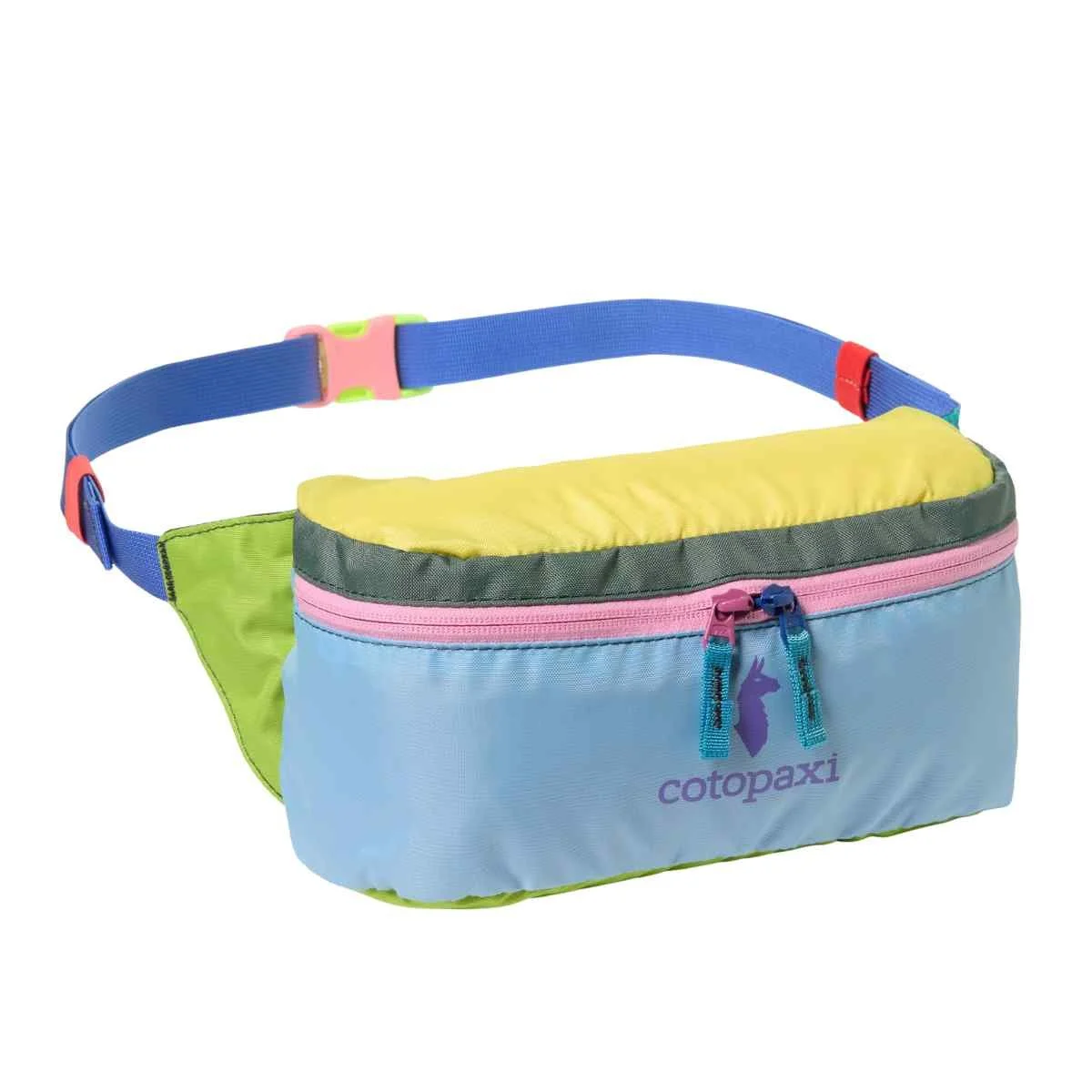
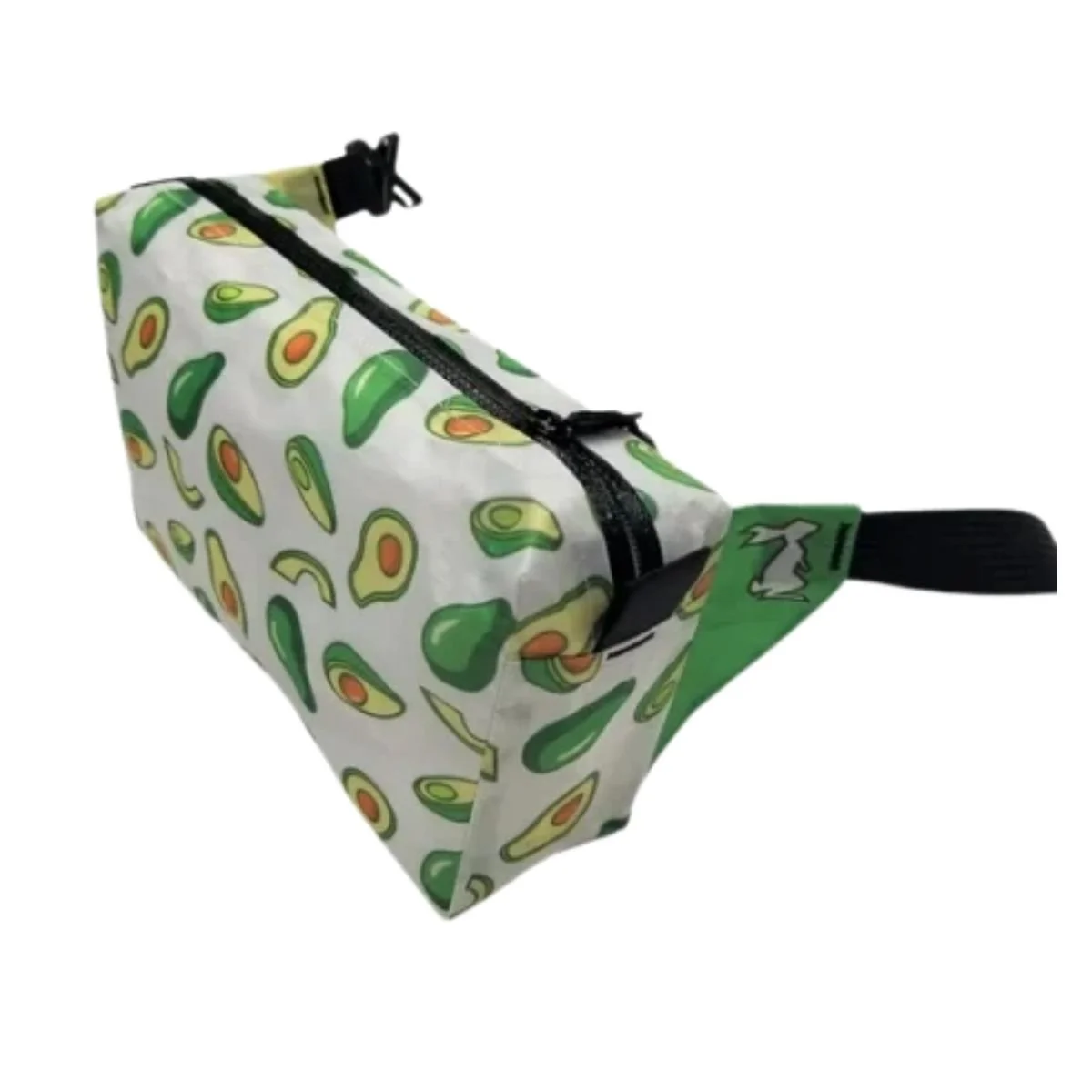
Best EveryDay Fanny Pack: Cotopaxi Bataan Del Día
Price: $33
Volume: 3 L
Pockets: 3
Weight: 3 oz
Dimensions: 10” x 5” x 4”
What we liked: style, made from lightweight remnant fabric, can be used a cross body bag
What we didn't like: less durable, depending on where you purchase it, you may have no control of the colors you get
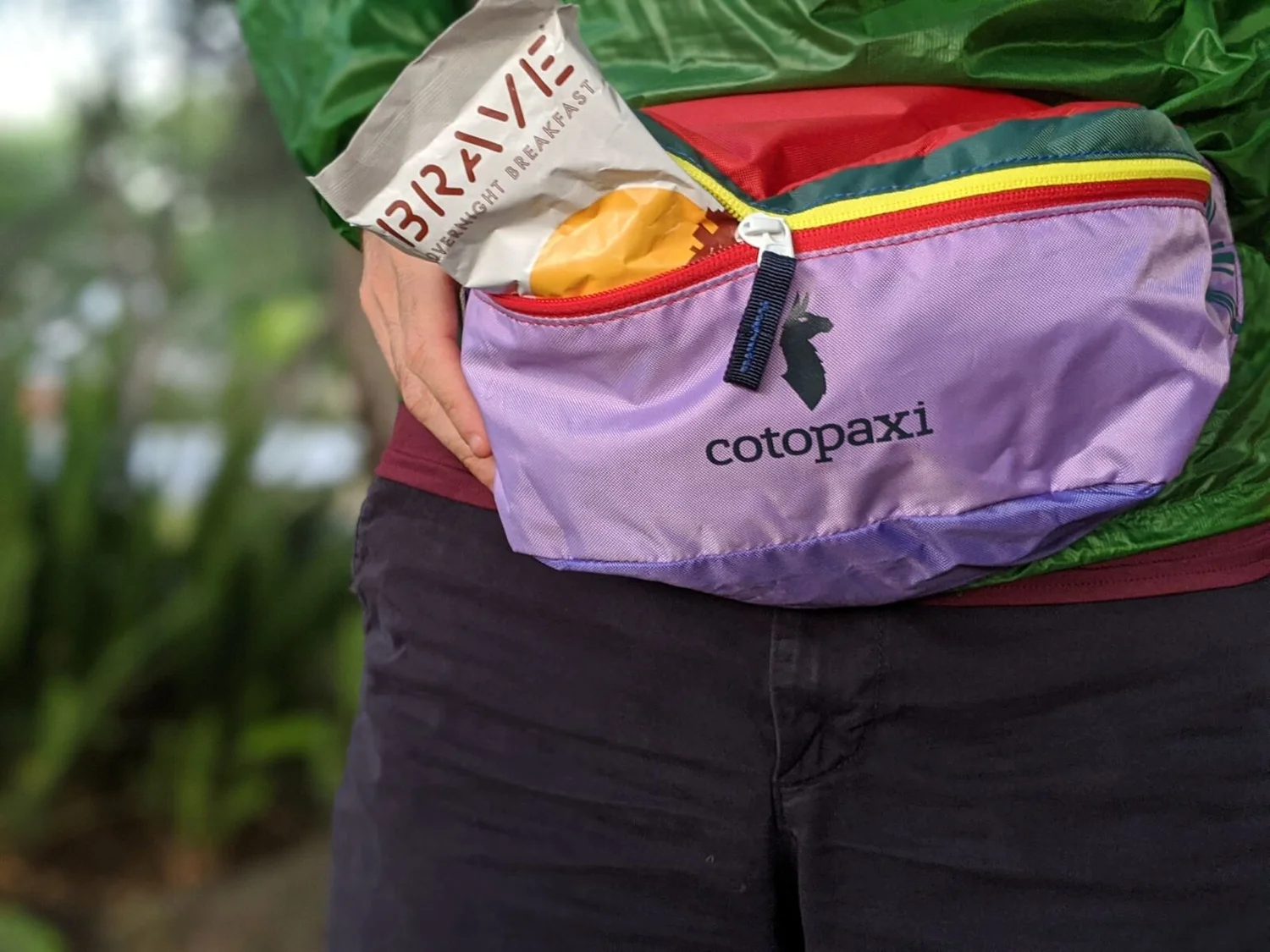
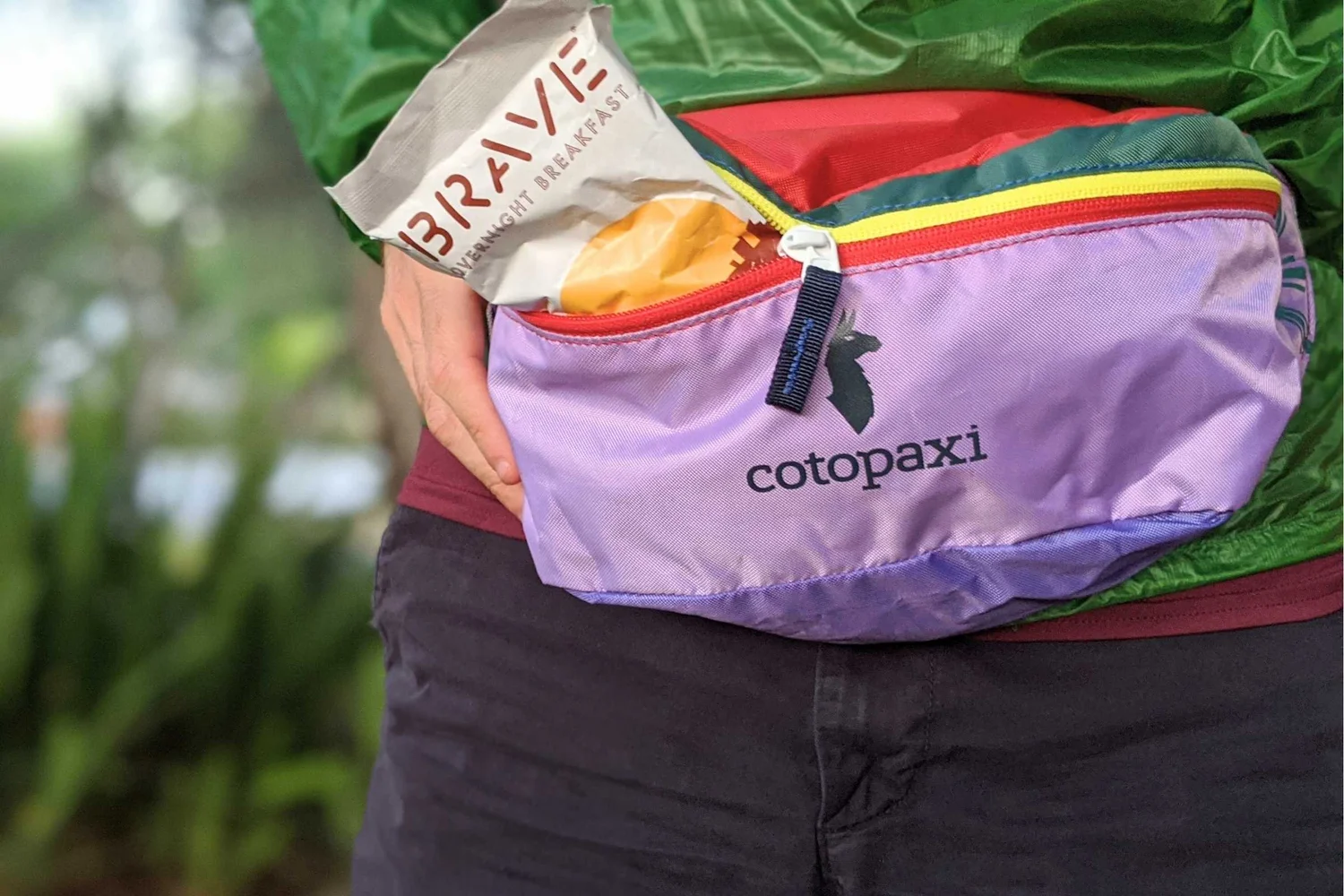
Fun, whimsical, and stylish in that 80s throwback kind of way, the Cotopaxi Bataan Del Día Fanny Pack is great for around town or that next beach party.
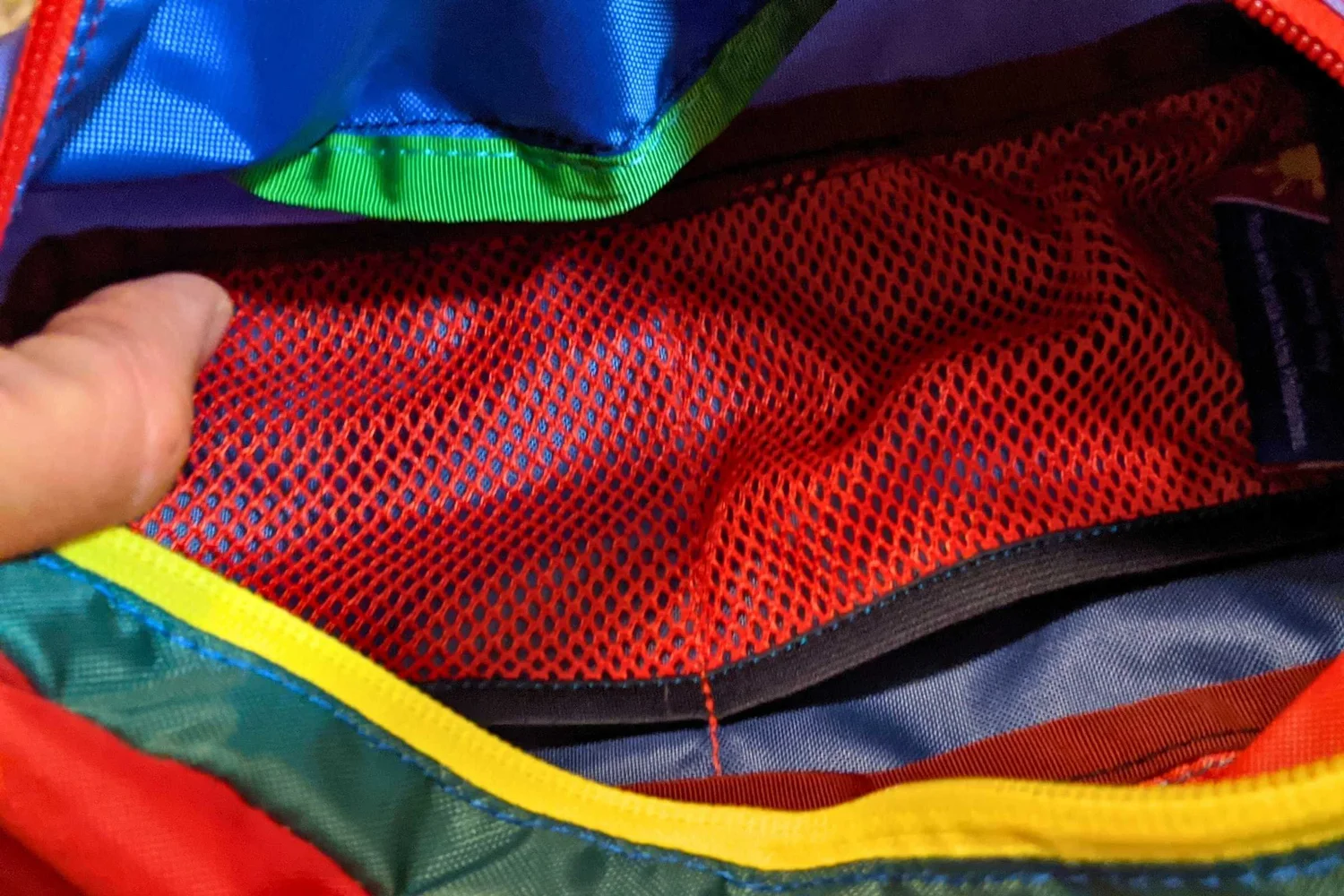
This 3L pack is big enough for a few sundries but small enough so you can’t lose anything inside. Two small mesh pockets also keep your smaller items—keys, cash, and credit cards—from moving around your pack as you move.
For use in town, it has a long waist strap that can convert into a cross body bag. It's made of upcycled fabric by sewers who get to decide their own color combinations and Cotopaxi is a Certified B-Corp. The Bataan is a bestseller at REI and favorite of many hikers due to its everyday look and fun design.
Best Budget Fanny Pack: JanSport Fifth Avenue
Price: $25
Dimensions: 6” x 10” x 3.5”
Carrying Capacity: 2.5 L
Weight: 4.5 oz
Number of Pockets: 2
What we liked: great price, stylish, lots of color choices, surprisingly durable
What we didn't like: not waterproof
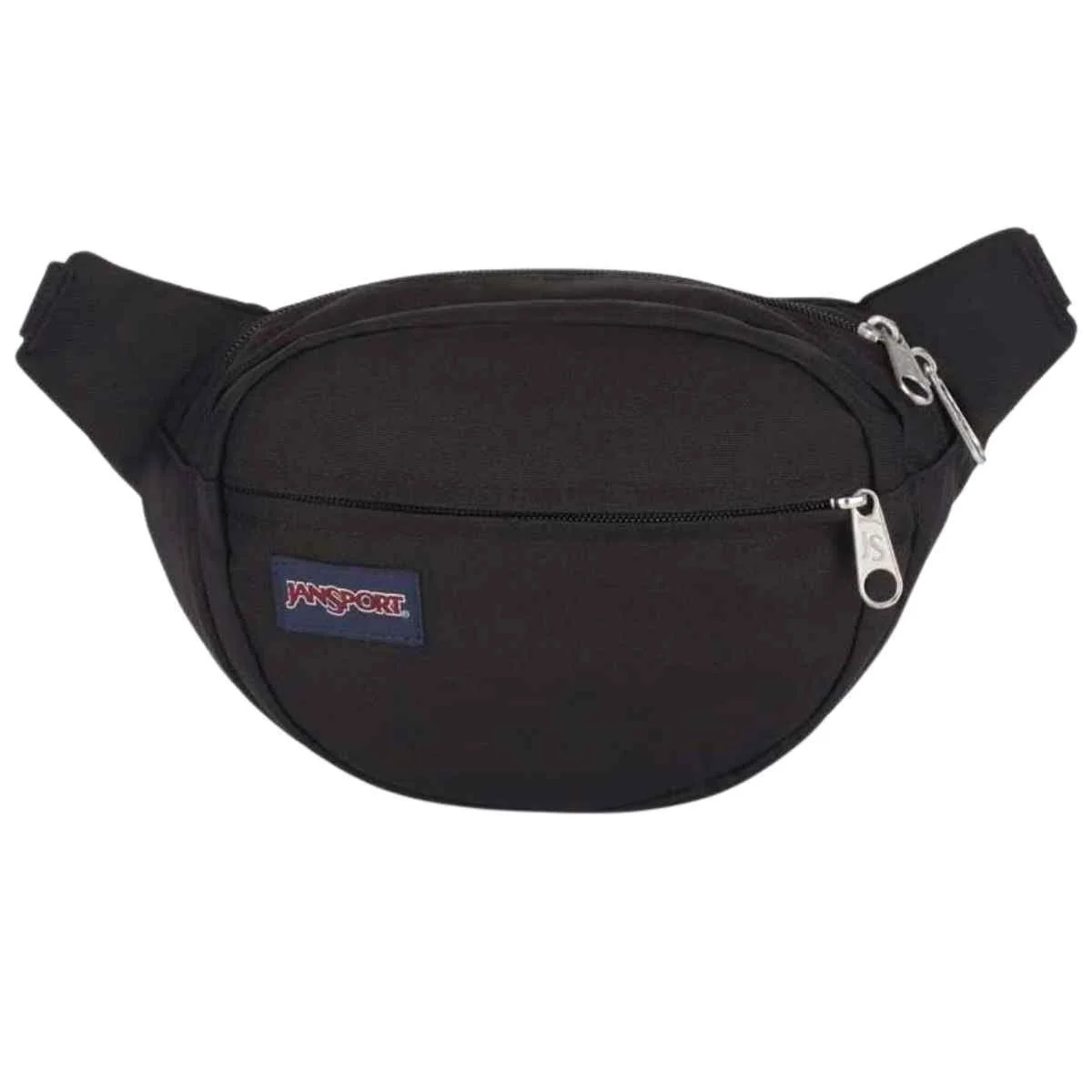
If you need a classic fanny pack for around $20, the JanSport Fifth Avenue is the way to go. The beauty of this pack is its simplicity and lots of color options. There's something for everyone and nearly everyone we asked said they like how it looks.
The JanSport Fifth Avenue is 2.5 L—more than double the size of similarly priced smaller packs—and made of polyester rather than canvas, which means a lower price point to boot.
Best Lightweight Fanny Pack: Gossamer Gear Bumster
Price: $29
Fits Waists: Up to 45 in
Dimensions: 5.5 x 10.5 x 2.5 in
Carrying Capacity: 1.5 L
Weight: 3.1 oz
What we liked: lightweight, good storage
What we didn't like: narrow waist belt, only adjusts up to 45 in.
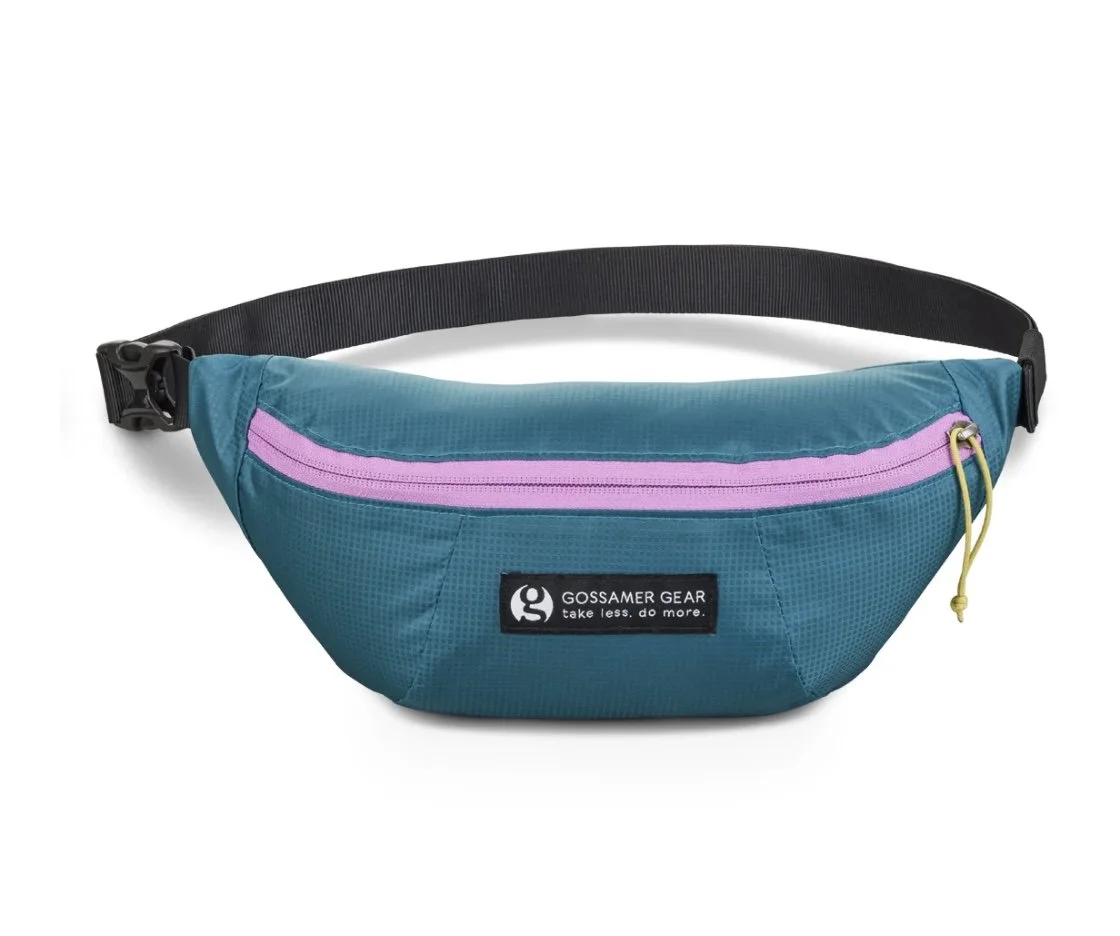
Though it is a minimalist pack, the Gossamer Gear Bumster has just what you need. The 1.5L Gossamer Gear Bumster is one of the lightest-weight pack we reviewed and has waterproof zippers and water-resistant fabric. This makes it a clear winner for best minimalist fanny pack.
We liked the inside key clasp and mesh divider big enough to secure a phone. We also liked the hidden pocket on the back, making it an ideal travel fanny pack for storing cash, cards, ID, or other valuables.
Best Fanny Pack For Thru-Hiking: Thrupack Summit Bum Classic
Price: $65
Dimensions: 9” x 5” x 3”
Waist Size: Fits up to 50 inches
Carrying Capacity: 2.5 L
Weight: 3.5 oz (standard strap), 4.7 oz (comfy strap)
Number of Pockets: 3
What we liked: water resistance, lightweight, durability, fun colors, versatility with waistbelt
What we didn't like: limited stock
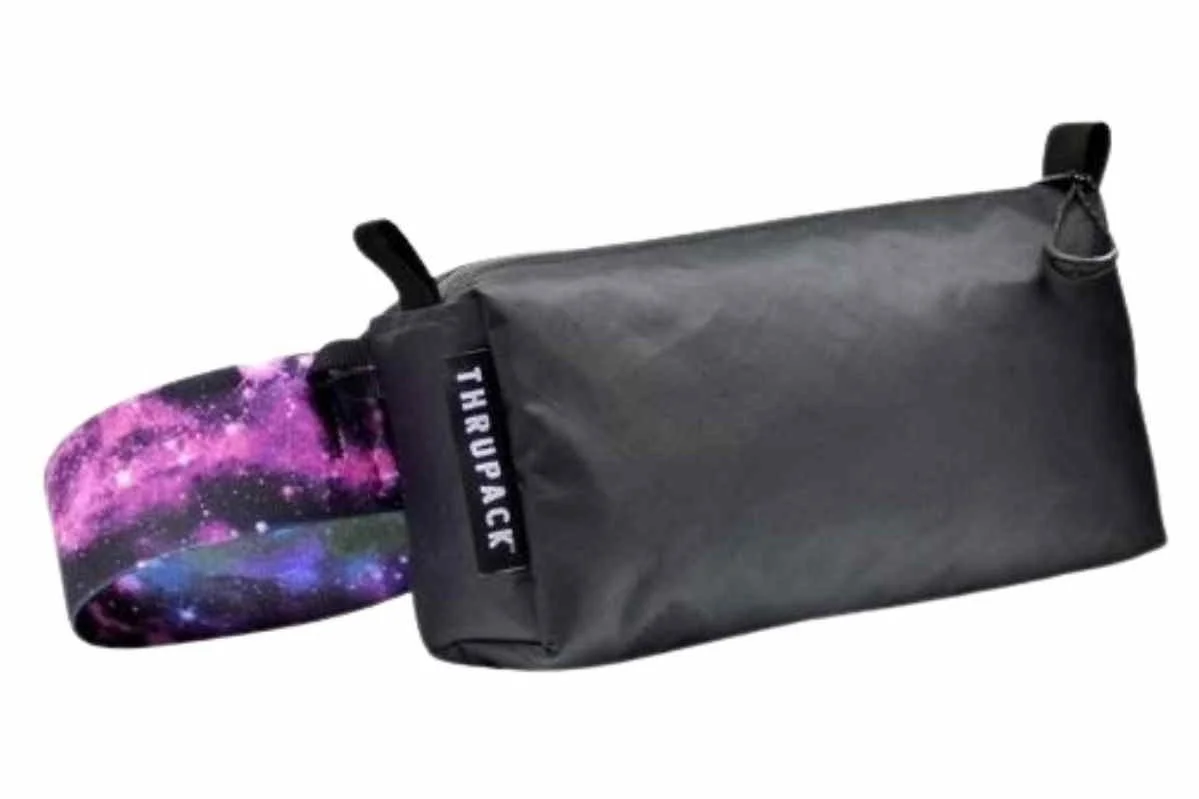
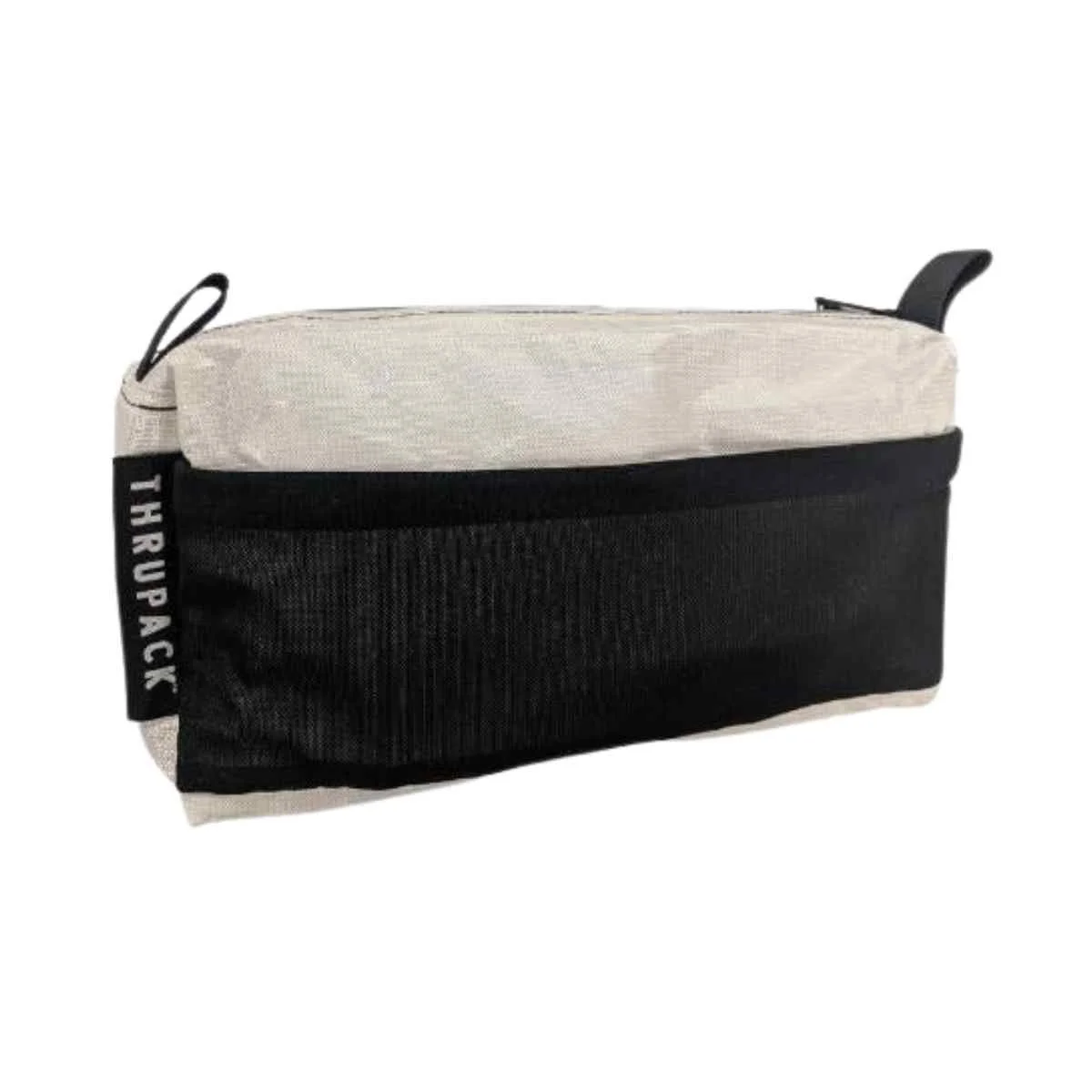
Last year, readers reached out to us about testing the Thrupack Summit Bum Classic. It was one of the original fanny packs and is popular on the Pacific Crest Trail, Appalachian Trail, and Colorado Trail. After a year of testing on the trails, it is our new winner for best fanny pack for thru-hiking.
The Thrupack Summit Bum has two options for fabric: essentially waterproof ECOPAK or essentially waterproof Ultra. The second is a highly durable, abrasion-resistant, and lightweight material commonly found in ultralight backpacking backpacks popular with thru-hikers. It is also lighter than nylon and significantly more durable and UV-resistant, meaning it can survive the rigors of a thru-hike.
With fun colors and great style, the Summit Bum is made in the USA by thru-hikers. This cottage brand’s fanny packs are a favorite on the trail for their style, light weight, comfort, and convenience.
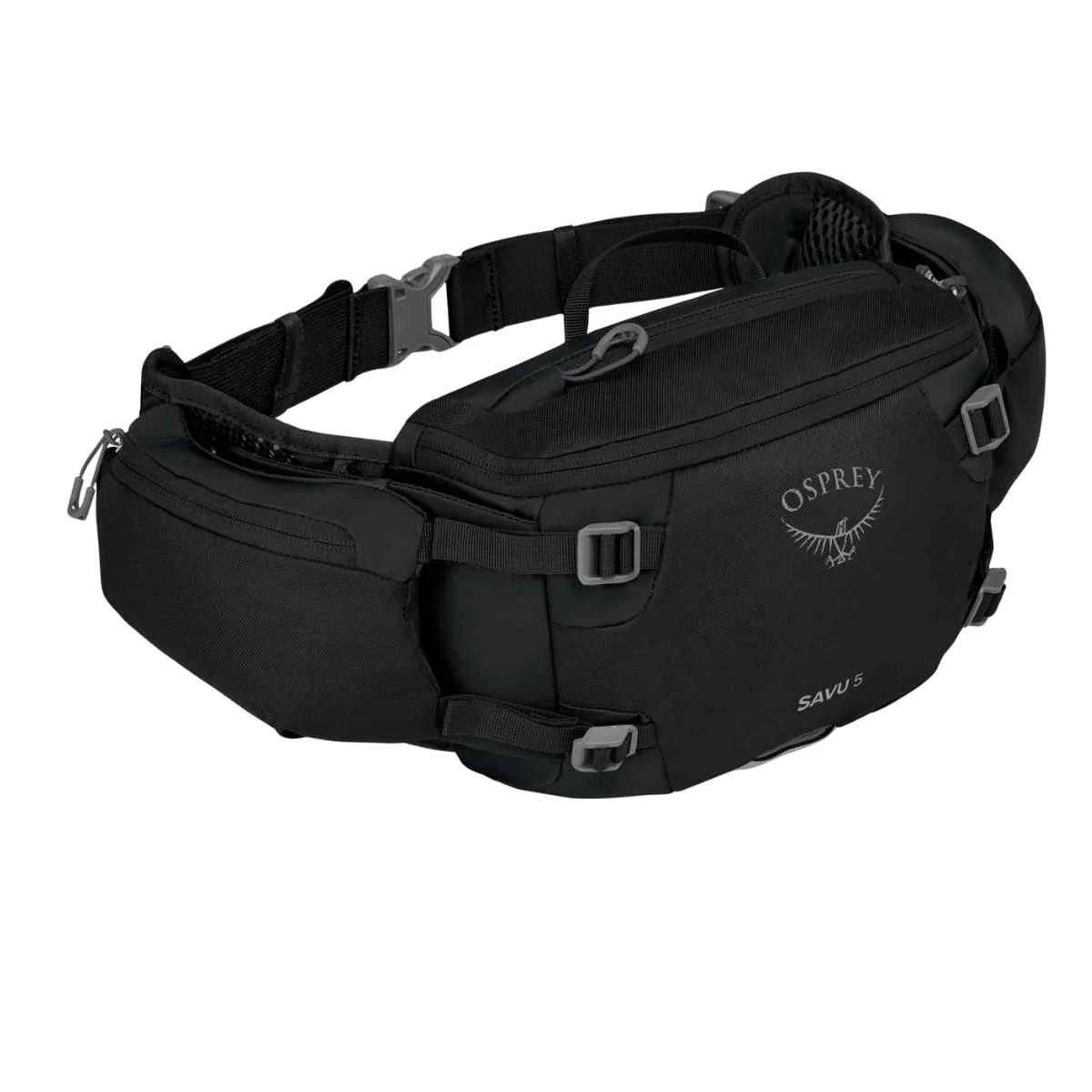
Best Hiking Fanny Pack with Water Bottle Holder: Osprey Savu 5 Lumbar Bottle Pack
Price: $70
Capacity: 5L
Dimensions: 7” x 9” x 4”
Waist size: 25-50 inches
Hydration: 2 water bottles
Pockets: 5 + main compartment
Material: Recycled 600-denier PET polyester/recycled 400-denier high-tenacity nylon
Weight: 13.4 oz
What we liked: pockets and organization, quality fabric
What we didn't like: more suited for mountain biking, may not be best for hikers or casual wear
The Osprey Savu 5 is the winner of Best MTB Hip Pack for Carrying Bottles in our Best Mountain Bike Hip Pack guide.
But we think this waist pack is worth your attention, even if you aren't a mountain biker.
It features two sturdy bottle slots, two zippered hip pockets, one main rear compartment, and a small, zippered, and moisture-resistant phone/valuables pocket.
It was among the most stable and comfortable of the waist packs we tested. It's versatile - large enough for several hours of adventures but isn’t overly bulky for shorter trips.
For $65, the Savu 5 offers great value, especially compared to the Osprey Talon we also tested. Its useful features, excellent durability, functionality, and comfort make it a top choice for people who want to carry water bottles.
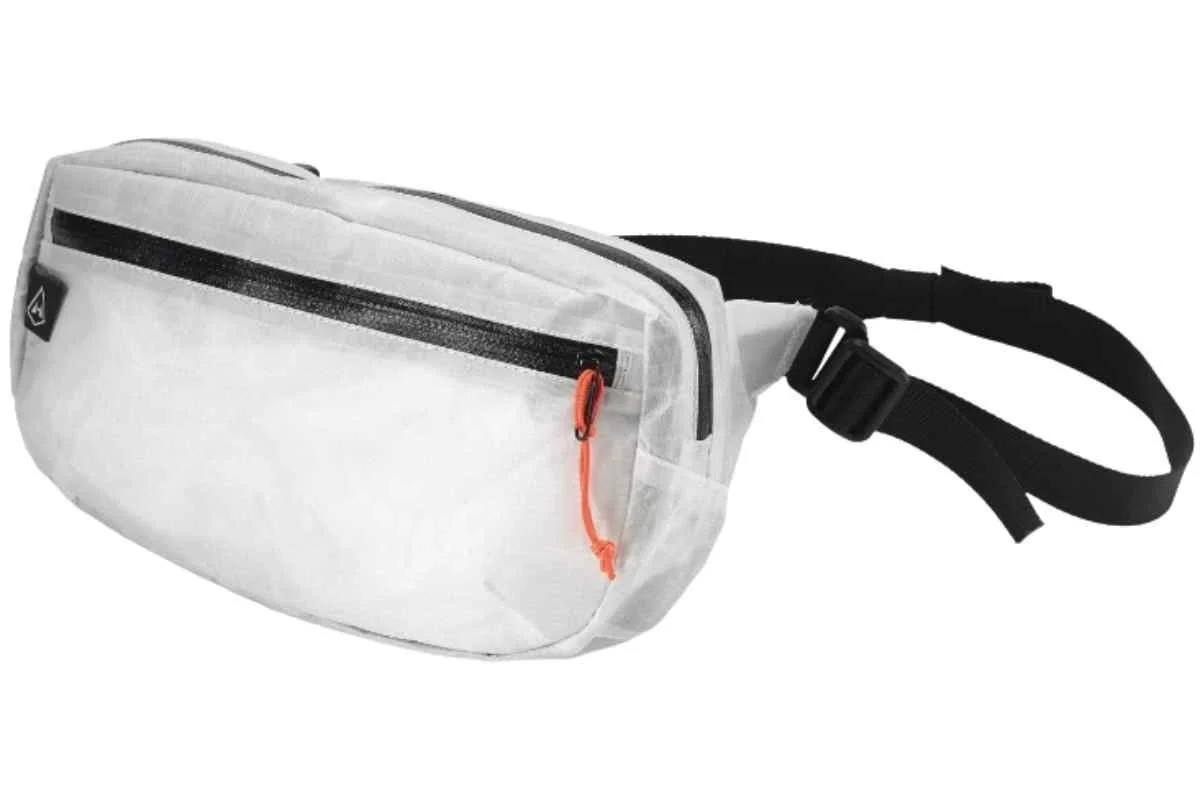
Best Waterproof Hiking Fanny Pack: Hyperlite Mountain Gear Versa
Price: $85
Capacity: 2.5 L
Dimensions: 2.25 x 6 x 9
Waist size: Up to 52"
Hydration: None
Pockets: 3
Material: Dyneema Cuben Fiber
Weight: 4.27 oz
What we liked: lightweight, sleek, extremely water resistant
What we didn't like: limited colors and sizes
The Hyperlite Mountain Gear Versa is the only waist pack we considered made of Dyneema Cuben Fiber, a water-resistant material commonly found in ultralight backpacking backpacks and tents popular with thru-hikers.
If you’re going to get wet (and at some point, the thru-hikers on the citylightoutdoor team say this is inevitable), the DCF fabric is almost completely waterproof and this pack also has waterproof seamed seals. The Versa is a good fanny pack to protect camera gear, phones, maps, or layers that you want easy access to.
The light weight, durability, generous capacity without feeling unstable, and water-resistance made this a strong contender for the best fanny pack for any hiking you may be doing in wetter weather. While the brand doesn't explicitly call it waterproof, in our testing, this is as close as we've seen to a lightweight waterproof fanny pack.
HMG won’t go as far as to say the Versa is 100% waterproof, but it’s pretty close. The zippers are taped to be waterproof and lay flat when zipped, so they don’t catch on passing shrubs or branches.
Our non-thru-hiker tester found the DCF was loud and crinkly when in use. But for all but the most lightweight devotees, we think the price and noise are dings against this pack.
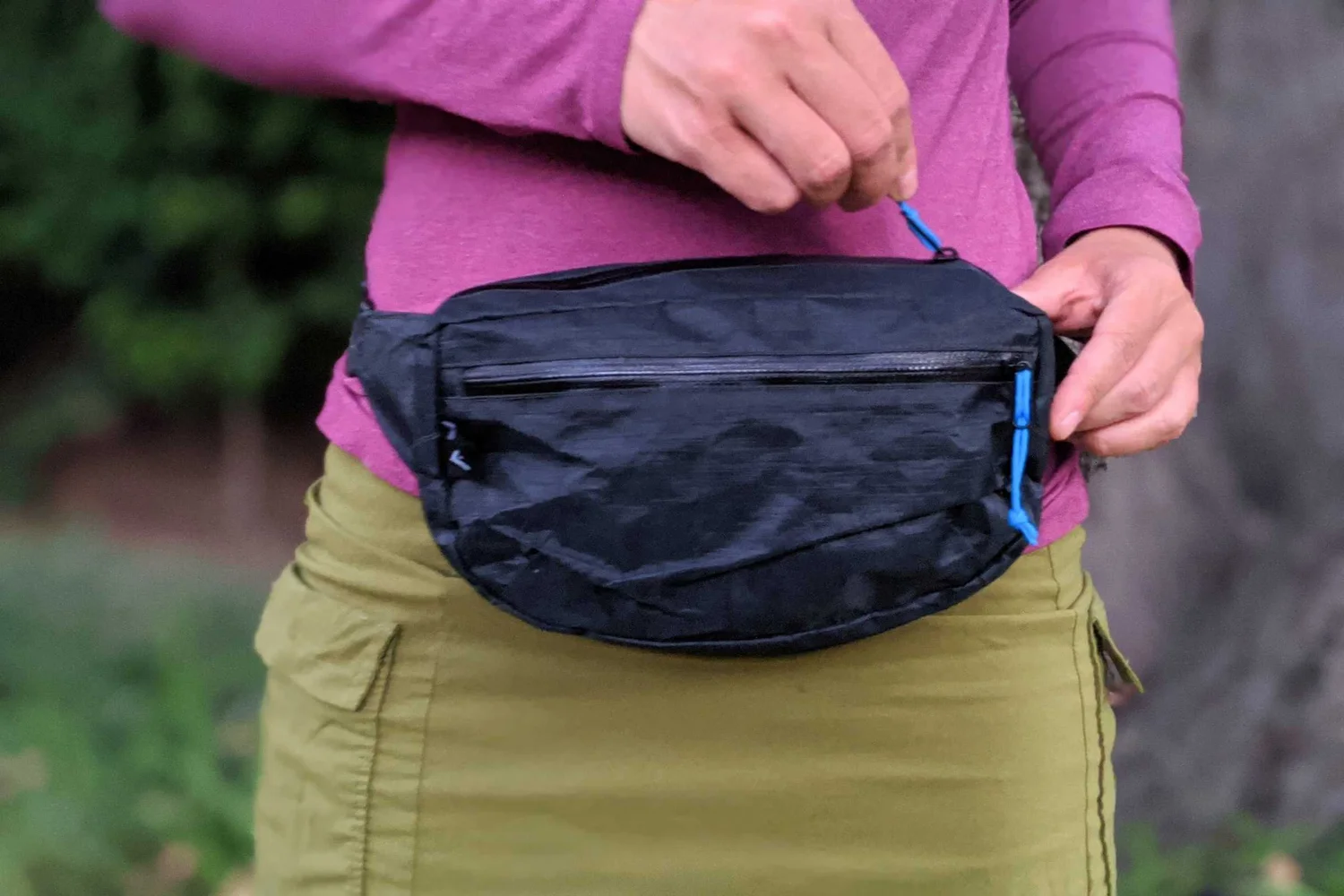
Best Ultralight Fanny Pack: Ultralight Fanny Pack by High Tail Designs
Price: $66
Capacity: 1 L
Dimensions: 8 x 4 x 2
Waist size: 39.5"
Hydration: None
Pockets: 1
Material:
Weight: 1.8 oz
What we liked: extremely lightweight, good capacity, lots of colors and sizes, Made in the USA
What we didn't like: not as comfortable as fanny packs with more padding (that weigh more)
If you want the most ultralight fanny pack out there, the High Tail Designs Ultralight Fanny Pack is the clear winner. At 1.8 oz, this is the most ultralight full-size, fully-functional fanny pack out there. What it lacks in weight it more than makes up for in character. With fun and colorful designs by real artists, the High Tail Designs Ultralight fanny packs are made by thru-hikers in the USA.
Made of a sublimated 2.92 oz/sqyd abrasion-resistant Dyneema Hybrid fabric that is durable and water-resistant, this fanny pack has everything you want in a fanny pack and nothing you don't. It has fully-taped seams and a non-zip internal pocket. You'll find burlier Dyneema on the Hyperlite fanny pack, but not at a lighter weight or at a more affordable price.
As expected for an ultralight fanny pack, you aren't going to get as much padding (and the comfort associated with it) with this waist pack as you would with burlier options like the Summit Bum. But if you want a cool-looking pack that is as light as you can get, the High Tail Designs Ultralight fanny pack is the clear winner.
Other fanny packs, lumbar packs, and waist packs we tested
Thrupack Summit Bum Pocket
Price: $70
Weight: 3.7 oz
Waist Size: Up to 50"
Pockets: 3
We loved the Thrupack Summit Bum Pocket, which is similar to the Thrupack Summit Bum Classic that was our winner for best for thru-hiking. The difference is in the mesh pocket, which is on the outside of the pack and can hold a phone. Ultimately, for thru-hikers, we think a shoulder strap is a more secure pocket system. Still, if you prefer to have waist-side access to your phone, this could be a good alternative to the Summit Bum Classic.
Capacity: 7L
Hydration: 1.5 L (Reservoir Included)
Waist Size: 27-50 inches
Weight: 18.9 oz
Pockets: 3
Material: Recycled 600-denier PET polyester/recycled 400-denier high-tenacity nylon
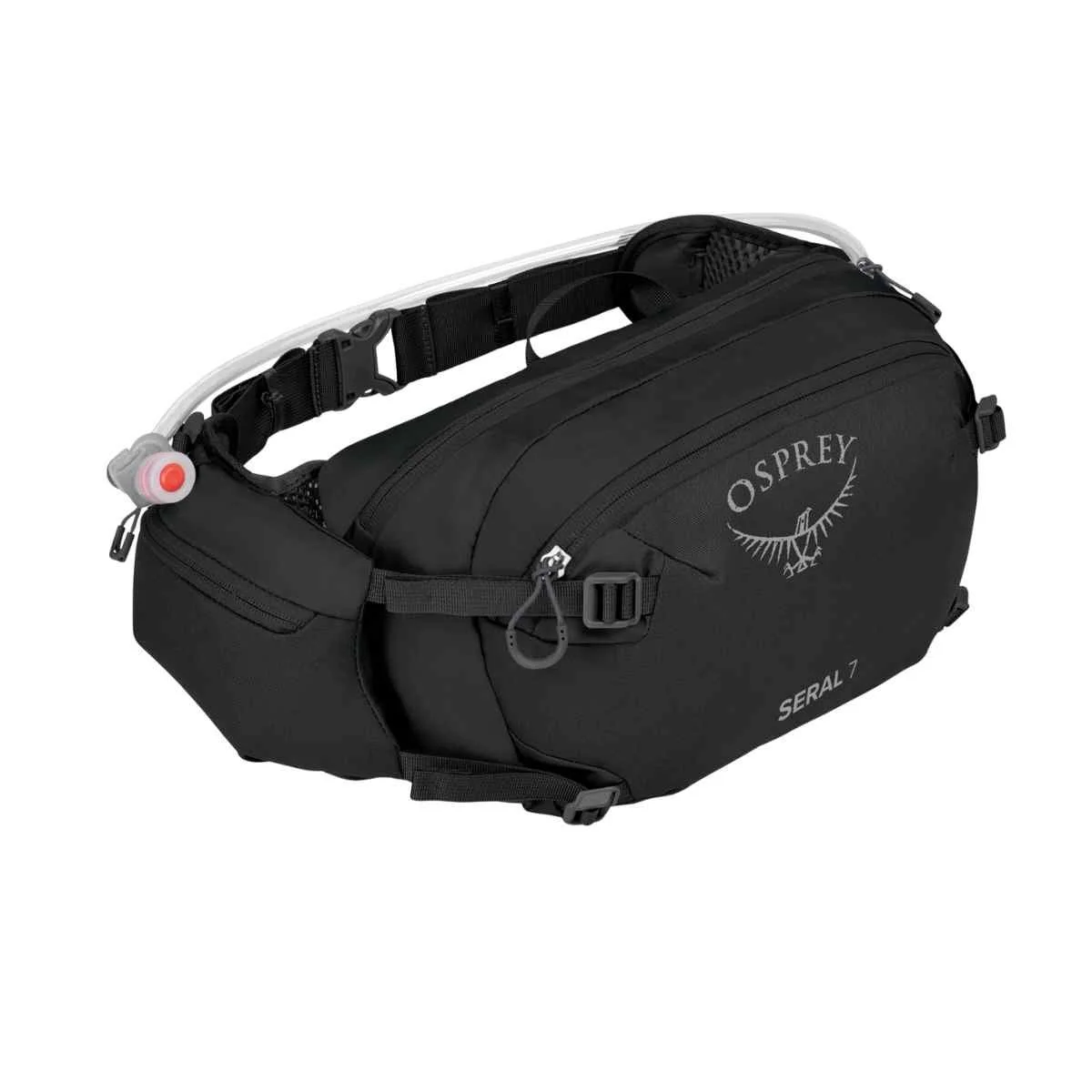
The Osprey Seral 7 is a winner in our Best Mountain Bike Hip Pack guide and we think it crosses over to hiking, too. Many outdoor media reviews have given it accolades, including Outdoor Gear Lab awarding the Seral 7 a Top Pick award.
A 1.5-liter reservoir carries water and leaves plenty of room in this waist pack for other essentials. Aside from the Mountainsmith Tour, it has the most capacity of any packs in this review, making it ideal for long hauls on the trail.
The Seral 7 has a breathable back panel, easily adjustable waistband, and durable outer fabric. The main difference between the Osprey Seral 7 and Osprey Savu is the water system and the storage capacity. We think the Savu will meet most hikers' needs better because it has a smaller capacity. Between the two waist packs, the Savu's smaller capacity makes it more stable and comfortable.
Capacity: 5 L
Dimensions: 19 x 7 x 4 inches
Weight: 9 oz
Pockets: 4
Material: Shell: recycled nylon; lining: recycled polyester
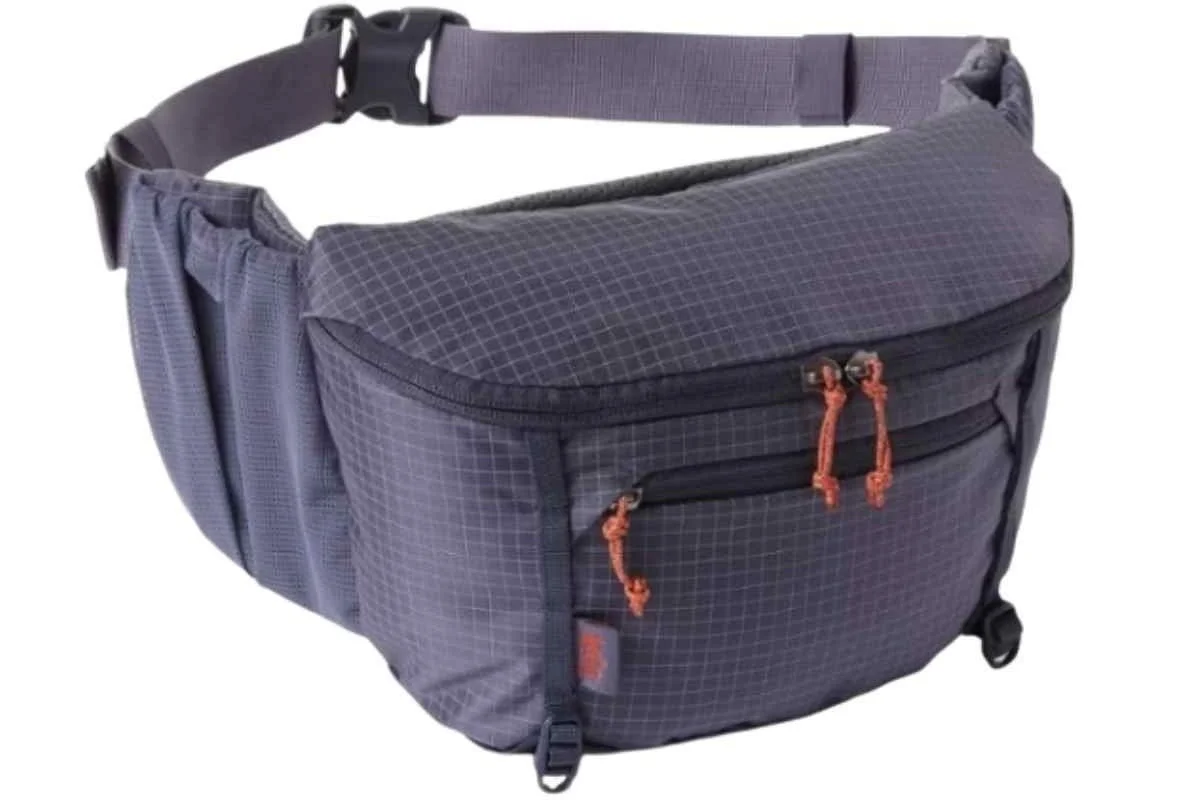
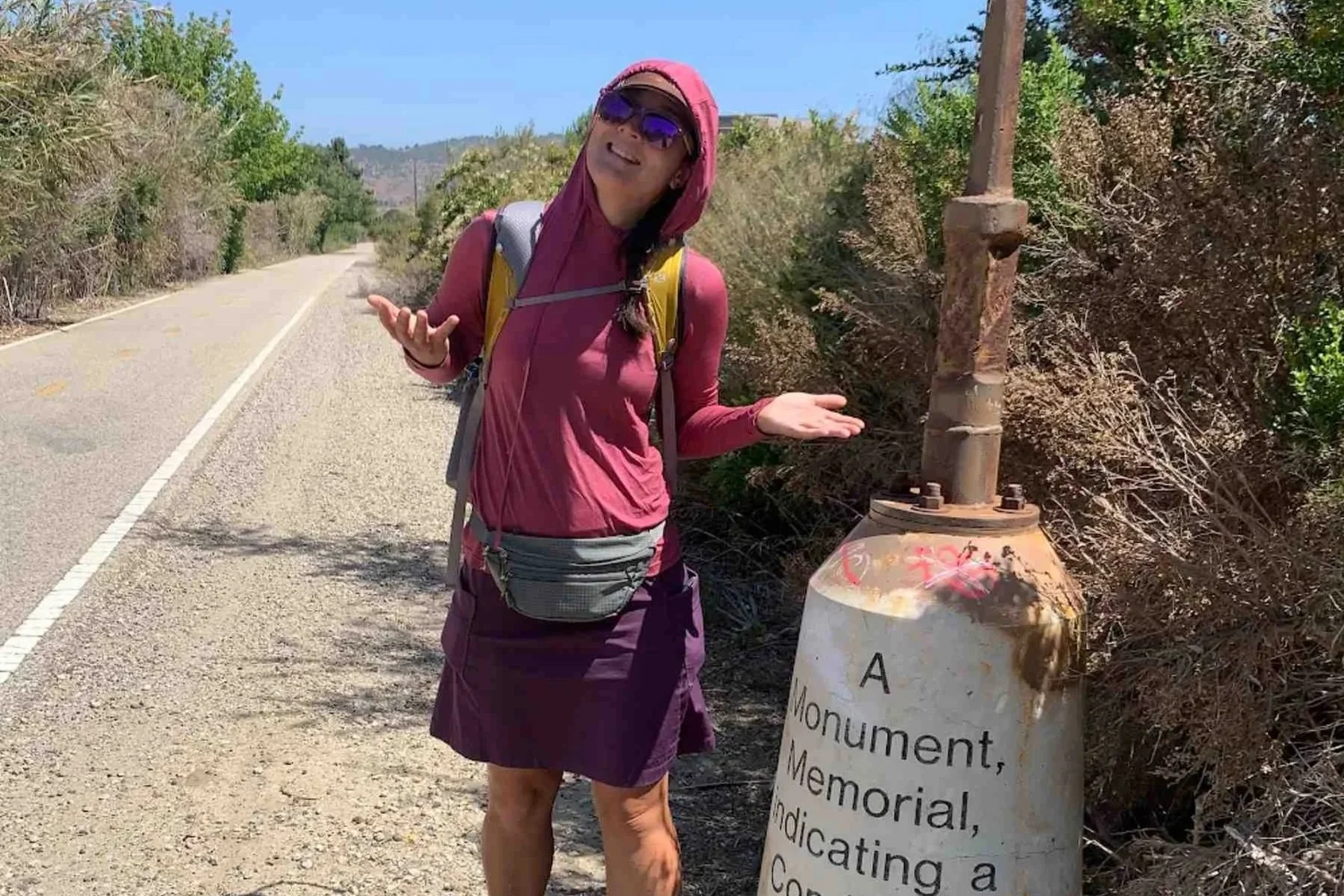
We loved the REI Co-op 5 L waist pack. We carried it on a 3-day, 60 mile hike near Ventura, California and were surprised by how it fit everything we need for an entire day of hiking.
There are pockets galore and everything is very organized. Ultimately, it's very similar to the Osprey Savu, our winner for best for carrying bottles. The newest version even has fun color options and contains recycled material that meet bluesign criteria.
We chose the Savu because it has better padding and stays a little more rigid—which we think is a good thing for a hiking waist pack. Still, we recommend the REI Co op 5 L, especially if you want to save compared to the Osprey Savu.
Price: $20
Weight: 5 oz
Waist Size: Fits up to 50 in
Pockets: 4
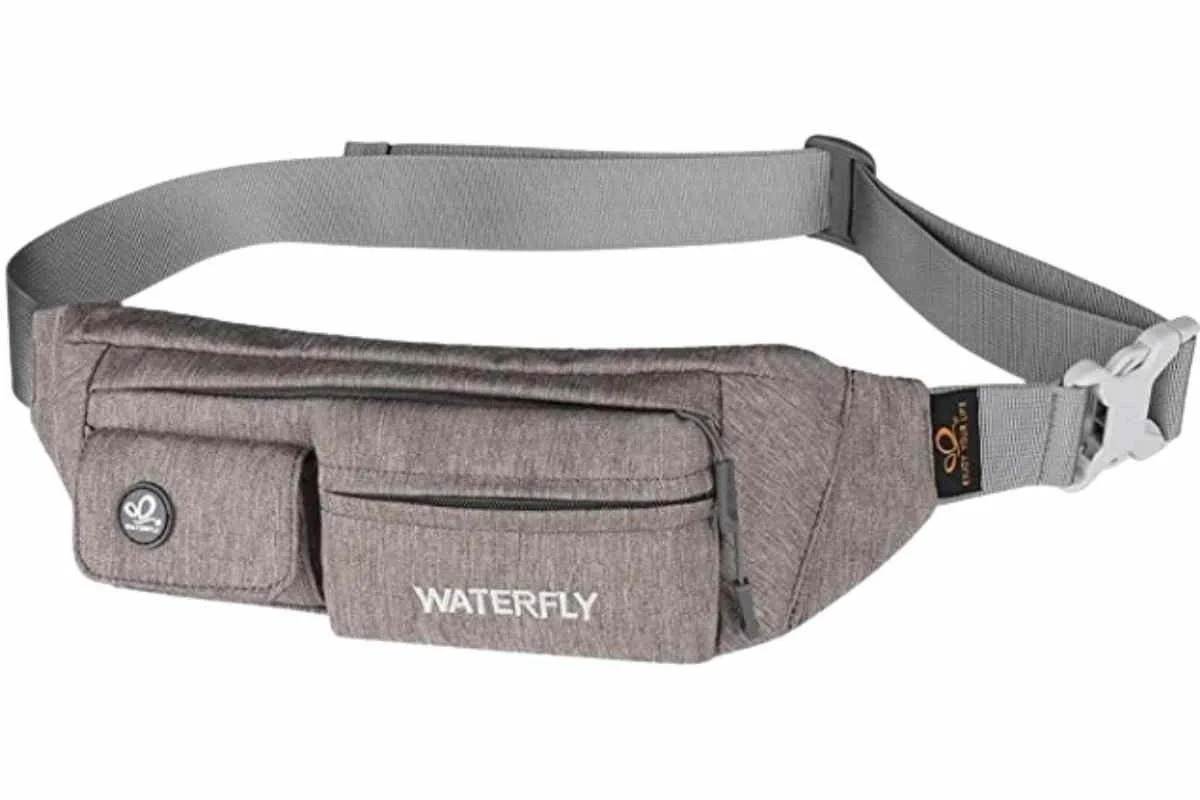
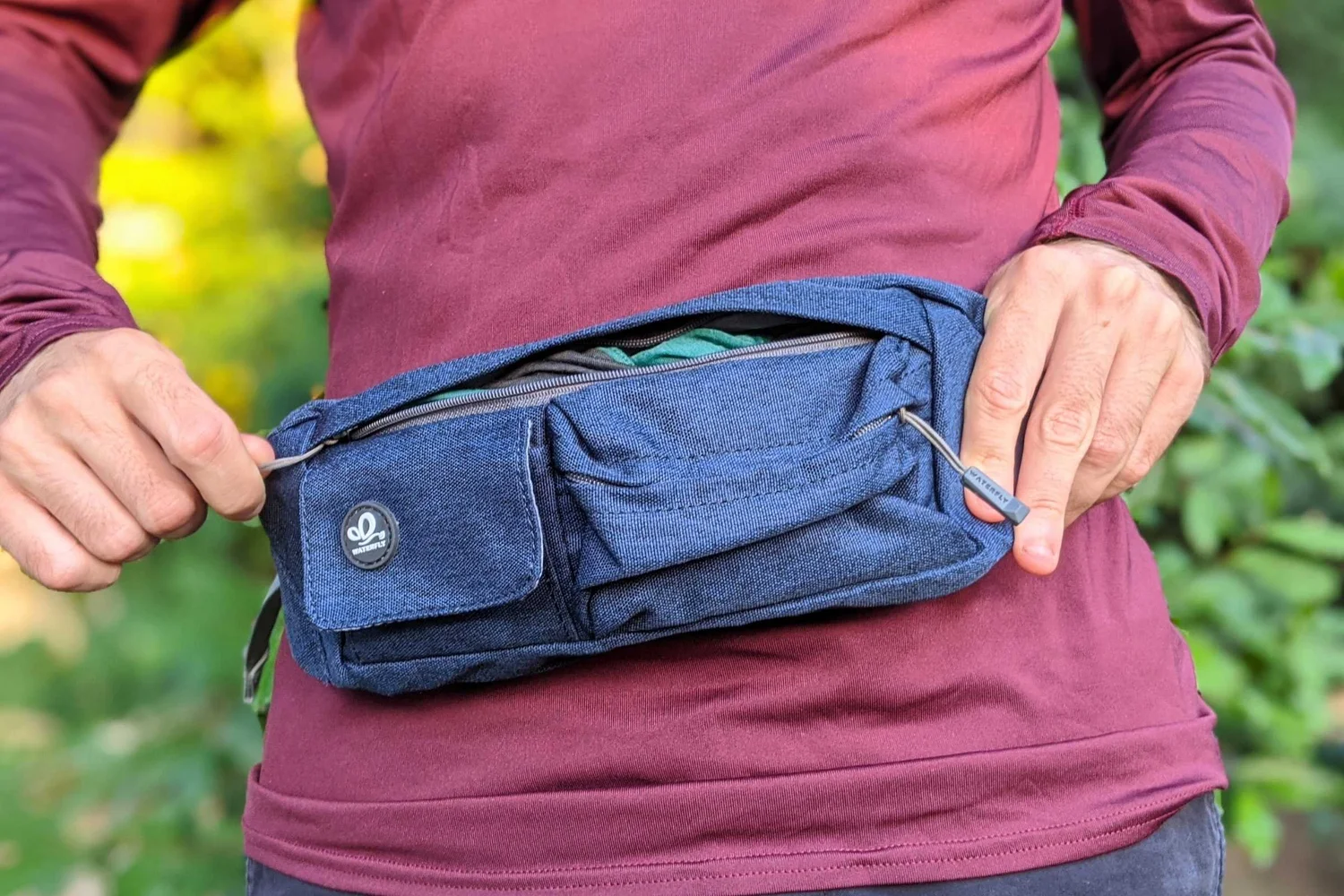
The Waterfly Slim Fanny pack—a bestselling pack on Amazon—is the least expensive pack we looked at.
It does a great job of what it is supposed to do: is made of water-resistant polyester material, and can be worn across your chest as a sling bag, around your waist, or on your back, and has multiple compartments to store smaller items.
There are many people out there who aren’t looking for their fanny packs to be fashionable. Instead, they’re looking for a solid pack that does what it sets out to do for a reasonable price.
Ultimately, we decided the JanSport Fifth Avenue–which is within a couple dollars of the Waterfly Slim Fanny pack–was more stylish, had more color options, and had better volume and versatility.
Why you need a hiking fanny pack
Love 'em or still warming up to the idea, a hiking fanny pack solves a problem you probably didn't realize you had until you tried one: where do you put your phone, snacks, and sunscreen when you don't want a full pack on your back?
During testing, we found ourselves reaching for a fanny pack even on hikes where we'd normally grab a backpack out of habit. A pack like the Patagonia Terravia Mini held a phone, sunscreen, lip balm, sunglasses, a headlamp, a snack, electrolytes, a liner glove, a wallet, and keys, everything most of us actually need for a shorter hike, without the sweaty back or shoulder strain of a full pack. For longer days, the Cotopaxi Bataan Del Día covered the entire Ten Essentials list in just 3 liters.
A fanny pack also keeps things accessible in a way a backpack doesn't. Digging through a main compartment to find lip balm or a snack gets old fast, especially mid-stride. Most of the packs we tested put your most-used items within reach without breaking your pace.
They're also more versatile than they get credit for. We used ours for day hikes, sure, but also for dog walks, farmers’ market runs, fly fishing, bike rides, and a three-day, 60-mile urban thru-hike through Ventura, California. Several packs in this guide, like the Cotopaxi Bataan and Thrupack Summit Bum, convert to sling bags or cross-body bags, so the same pack that works on trail works just as well in town.
And if you're worried about looking like it's 1993, the options have come a long way. Between Patagonia's sleeker designs and Cotopaxi's colorful, one-of-a-kind Del Día colorways, there's a fanny pack out there that doesn't feel like a costume.
If you've ever hiked with your phone in one pocket, sunscreen in another, and snacks somewhere you can't remember, a hiking fanny pack is the fix.
What to look for in a hiking fanny pack
Whether you're replacing your backpack for a quick day hike or just want your essentials within reach while biking around town, a good hiking fanny pack needs to be more than just trendy. Here’s what we look for—and what you should consider—before you buy.
Capacity: how much do you really need to carry?
Fanny packs range from minimalist 0.5-liter models to high-volume 9-liter lumbar packs. If you just want to stash your phone, keys, and a snack, a 1–2 L pack is plenty. But if you’re aiming to replace a daypack, look for something in the 5–9 L range with space for water, layers, and the Ten Essentials. For thru-hikers and ultralight fans, we’ve found 2–3 L to be the sweet spot for weight, volume, and access.
Fit and sizing: make sure it stays put
A fanny pack is only as comfortable as its fit. Look for a waist belt that’s adjustable enough to wear around your hips or across your chest, with enough length to accommodate a wide range of body types. Packs with padded belts or wider straps distribute weight better and reduce bounce on the move—key for running, biking, or scrambling.
Organization: pockets make the difference
We prefer fanny packs that make it easy to find what you need without digging around. Look for multiple compartments, mesh dividers, or internal key clips to keep essentials sorted. External pockets or stretchy mesh sleeves are great for items you grab often—like lip balm, snacks, or sunscreen.
Water bottle storage: optional, but useful
Not every pack includes a water bottle holder—and not everyone needs one. But if you do want hydration on the go, make sure your fanny pack fits your bottle snugly. Look for angled or elasticized sleeves that hold bottles securely without making them a hassle to reholster. If you plan to carry a reservoir, check for compatibility or internal routing for the hose.
Material and weather resistance
For most hikers, water-resistant fabric is enough to shed light rain and sweat. But if you’re hiking in consistently wet conditions or want to protect electronics, look for seam-sealed construction and waterproof fabrics like ECOPAK or DCF. Upcycled or recycled materials are a bonus for sustainability.
Comfort: think padding and breathability
Even small fanny packs can cause discomfort if they dig into your hips or trap sweat. Mesh back panels, light padding, and moisture-wicking fabrics make a big difference on hot days or long hikes. Heavier packs especially benefit from wider waist belts and breathable padding.
Durability: choose materials that match your use
If you're tough on gear or plan to use your fanny pack for years, durability matters. Ultralight fabrics are great for cutting weight but may not hold up to constant abrasion. Nylon, ripstop, and reinforced stitching all increase lifespan. Pay attention to customer reviews about how packs perform over time—especially around zippers and straps.
Style: it’s okay to choose a pack you love to wear
Function matters, but let’s be honest—you’re more likely to bring your fanny pack if you like how it looks. Whether you prefer minimalist neutrals, bold colors, or fun patterns, don’t underestimate the power of personal style. Many of the packs we reviewed come in multiple colors, so you can find something that fits both your needs and your vibe.
How To Choose The Right Fanny Pack
If you’re focused on finding a hands-free and shoulder-free option to carry must-have items while on the go, the following questions can help simplify your decision-making process:
What will I be doing?
How long will I be gone?
Will I need to bring snacks?
How light does the pack need to be?
What’s my budget?
The type of activities that you enjoy will also affect your choice of pack. If you’re running, biking, or moving quickly, a pack that is easily secured and doesn’t move up and down is ideal—which usually means a thicker waist belt. A pack with internal dividers or pockets will also help keep you organized during high-impact activities.
You may also find that different activities need different packs—one good for running might not be best as a backpack replacement.
We include fanny packs, waist packs, and lumbar packs in this guide because we realize different conditions require different packs.
Care and maintenance tips
Your fanny pack sees just as much action as your hiking shoes: crammed with snacks, bounced around on bike rides, and tossed on the ground mid-hike. A little care goes a long way toward keeping it functional for years.
Most packs don't need frequent washing, but once yours starts smelling like sunscreen and trail mix, it's time for a spot clean. A sponge, mild soap, and warm water handle most grime. Skip the washing machine unless the manufacturer specifically says it's safe, and avoid harsh detergents that can break down water-resistant coatings, especially on packs made with technical fabrics like the Ultra or ECOPAK material used in the Thrupack Summit Bum. Air dry in the shade rather than direct sun to prevent fading and keep the shape intact.
Empty your pack out after every trip rather than leaving it packed and ready to go. Crumbs and forgotten snacks degrade fabric over time and are the fastest way to end up with a pack that smells worse than it should.
Zippers are usually the first thing to fail on a well-used fanny pack. If one snags, don't force it; back it out gently and clear whatever fabric got caught. A swipe of zipper lubricant every few months keeps things moving smoothly.
Check high-friction spots regularly, especially the waist belt and corners, which take the most abuse if you wear your pack on one hip or use it while biking. Upcycled and ultralight materials, like the remnant fabric used in the Cotopaxi Bataan, are more prone to wear than heavier nylon, so give those packs extra attention and reinforce weak spots with seam grip or repair tape before small fraying turns into a hole.
Store your pack somewhere cool and dry between trips. Leaving it in direct sun, like on a car seat, breaks down fabric coatings and causes fading. If your pack stuffs into its own pocket, let it breathe occasionally rather than keeping it compressed all the time, which can cause creasing over the long run.
If something does break, a torn seam or a busted buckle doesn't necessarily mean your pack is done. Many brands, including Patagonia with its Ironclad Guarantee, offer repairs or replacement parts, and a basic gear repair kit handles most fixes without needing to replace the whole pack.
FAQ
How We Researched And Tested
After a dozen hours of research, we found 59 fanny packs that were popular in media and among everyday users. Then we tested nearly two dozen of them side-by-side for three years on everything from casual walks in town to thru-hikes. We took them to festivals, bike rides, road tripping, to mountain peaks, fly fishing, and international adventure travel trips.
We tested by roading, walking, and roaming around town to get a feel for each pack. After around hundreds of miles of exploring—short walks, long rides across town, quick visits to the farmers market, and hikes in Colorado’s Front Range—we sorted out which packs are good for which activity.
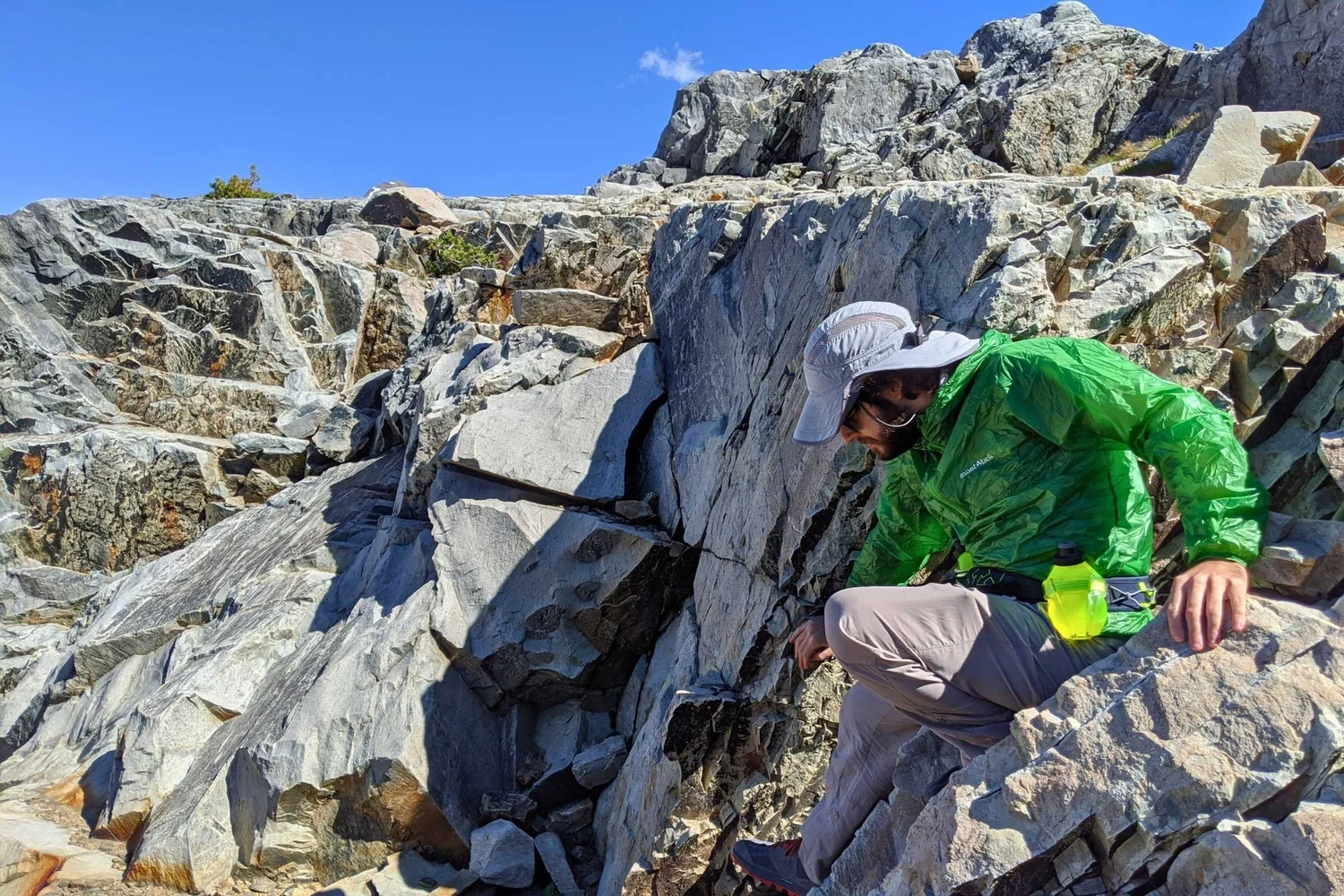
From there, we had the citylightoutdoor team take them on further activities, from climbing 14ers to traveling around the world, mountain biking, thru-hiking, and fly fishing.
About The Author / Why You Should Trust Us
Michelle Jackson is a Denver-based writer who has covered stories in Vice, AARP, Debt.com, Chime, and more.
She grew up in Boulder, Colorado, and runs the podcast and blog Square State, all about Colorado.
She hikes weekly, loves camping, and snowboards imperfectly.


Disclosure: this article contains affiliate links. We may earn a commission if you purchase through them, at no extra cost to you. Our reviews are independent — read our full affiliate disclosure.